Shopping Cart
-
 Autem ipsa ad 1 x $145.80
 -
 Tenetur illum amet 1 x $150.80
 -
 Non doloremque 1 x $165.80
Showing 1 to 30 of total 33 results
Needle Holders are used to hold and drive suture needles through various tissues. They resemble a hemostat in structure.
Here are some of the types:
• Ryder Needle Holder (French Eye)
• Crile Wood Needle Holder
• Jacobson Microvascular Needle Holder
• Sarot Needle Holder
This tool comes with multiple variations in sizes and styles. You can also get the ones with tungsten carbide inserts and serrated jaws.
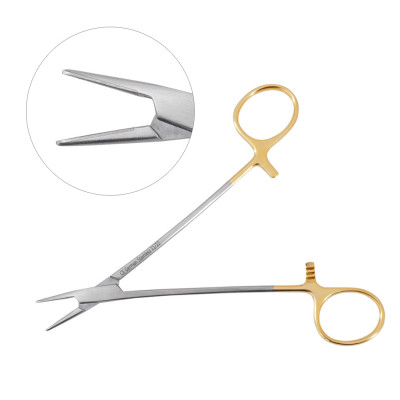
Overall instrument length is 10” and feature serrated jaws and tungsten carbide finger ring handle ...
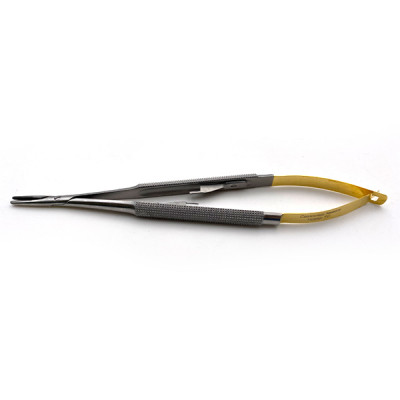
Jacobson Microvascular Needle Holder is made to hold the needles in cardiothoracic and microvascular ...
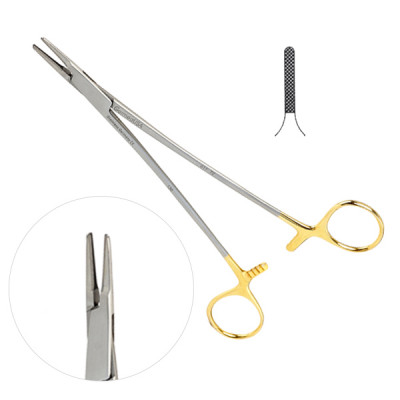
Ryder Needle Holder Serrated 10 1/4" Tungsten Carbide is made for holding the smaller sutures in pla ...
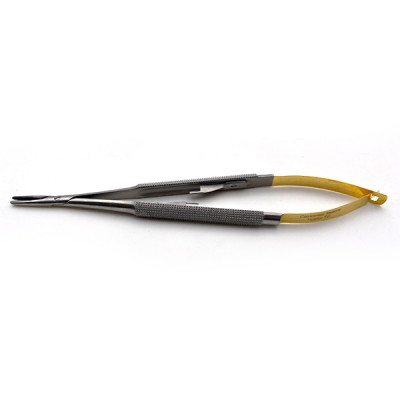
It comes in an overall length of 7". The straight serrations on jaws are delicate enough to hold the ...
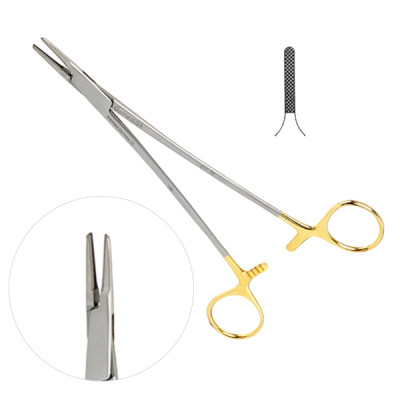
Ryder Needle Holder Serrated 8" Tungsten Carbide is made for holding the smaller sutures in plastic, ...
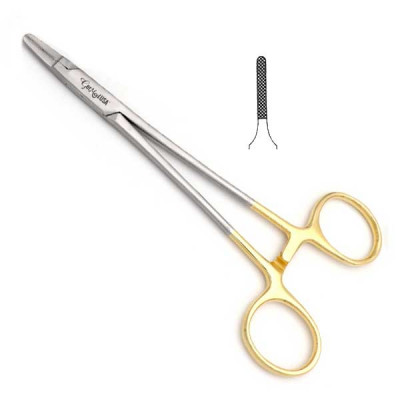
Mini Ryder Needle Holder is made for holding small sutures, and it has a sharp ratchet to grip handl ...
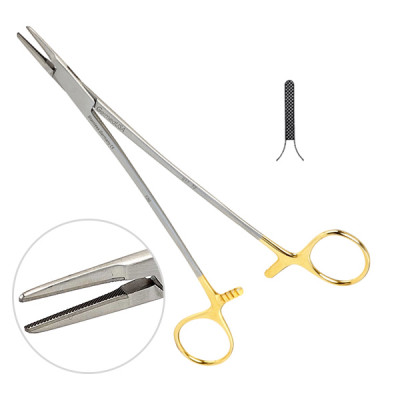
Ryder Needle Holder 6" French Eye - Tungsten Carbide is made for holding small sutures. This surgery ...
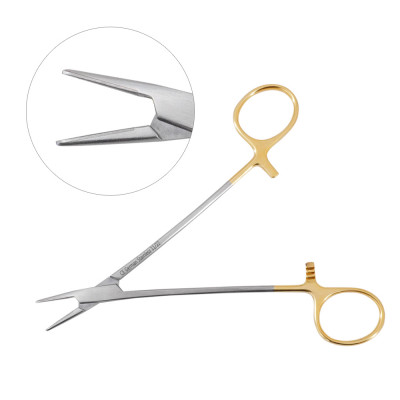
Overall instrument length is 9” and feature serrated jaws and tungsten carbide finger ring handles ...
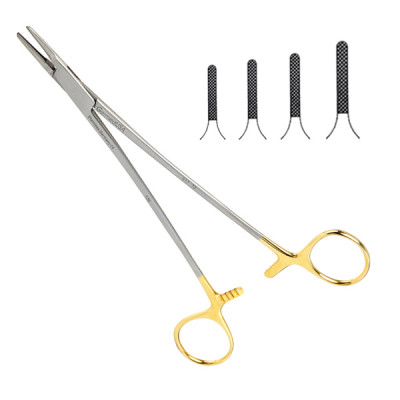
Ryder Needle Holder is uniquely designed to hold small sutures. This instrument has a micro French e ...
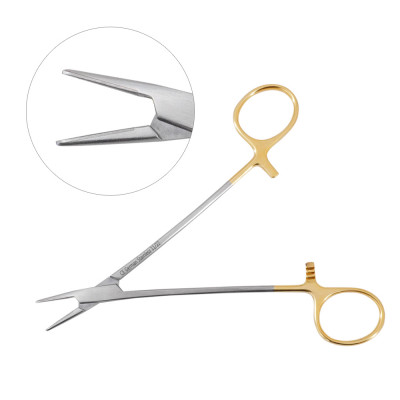
Overall instrument length is 6” and feature smooth jaws and tungsten carbide finger ring handles. ...
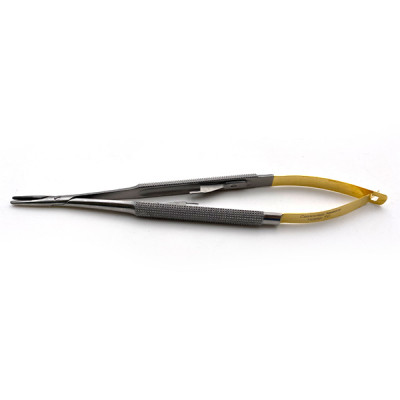
It comes in an overall length of 8 1/2". The straight serrations are delicate enough to hold the nee ...
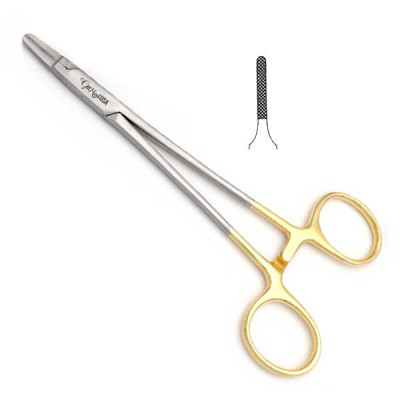
Mini Ryder Needle Holder is designed for holding small sutures. It comes in an overall length of 5" ...
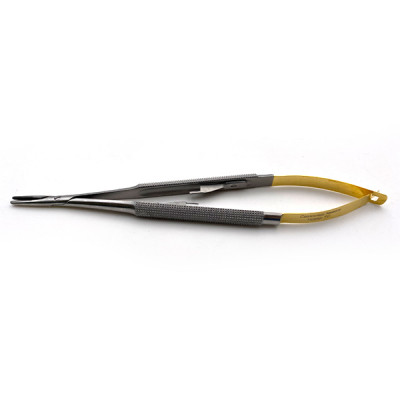
It comes in an overall length of 7". The serrated jaws are delicate enough to hold the needles firml ...
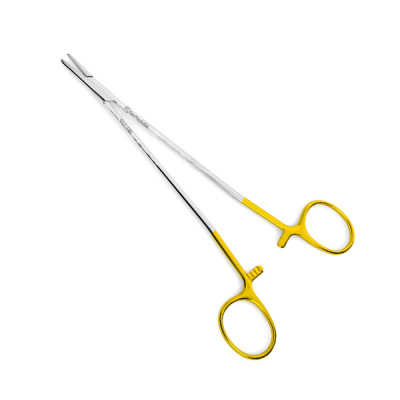
Cooley Needle Holder has tungsten carbide inserts and German stainless material to make it durable f ...
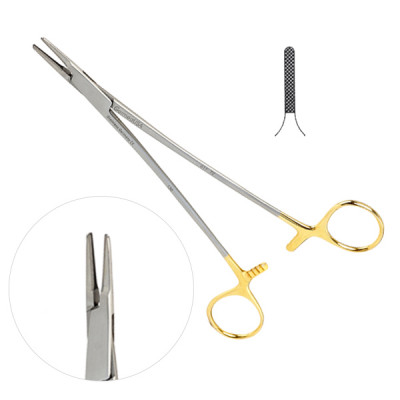
Ryder Needle Holder Serrated 9" Tungsten Carbide is made for holding the smaller sutures in plastic, ...
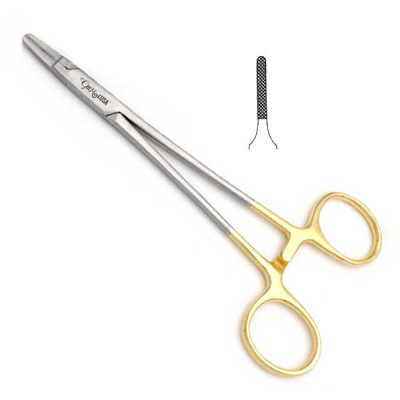
Mini Ryder Needle Holder is designed for holding small sutures. It comes in an overall length of 6" ...
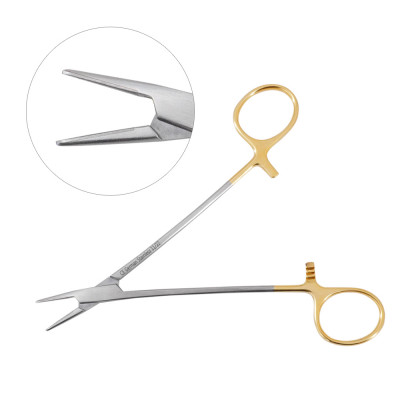
Overall instrument length is 12” and feature serrated jaws and tungsten carbide finger ring handle ...
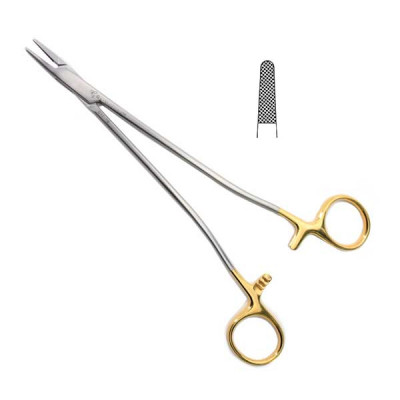
Sarot Needle Holders with tungsten carbide is a ratcheted, finger ring instrument used for approxima ...
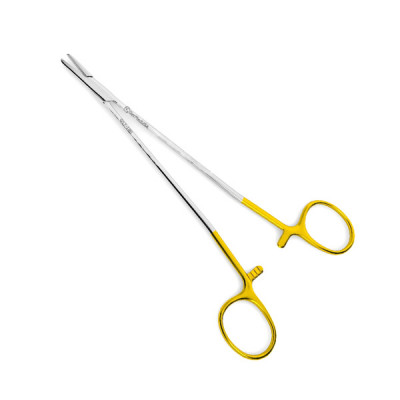
It comes in an overall length of 6". This versatile needle holder features extra delicate, serrated ...
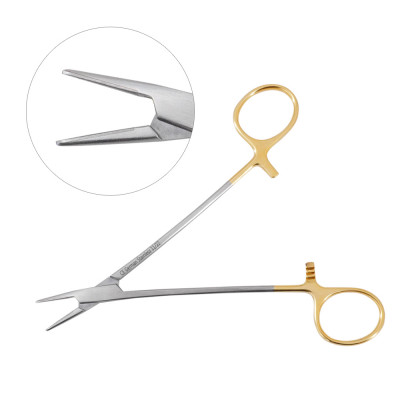
Overall instrument length is 8” and feature serrated jaws and tungsten carbide finger ring handles ...
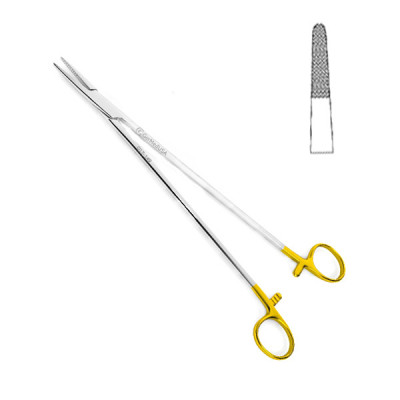
Wangensteen Needle Holder is used to hold fine needles during a wide range of medical approaches. It ...
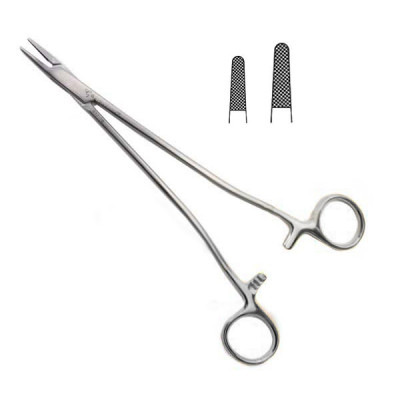
Sarot Needle Holder is made for unparalleled control while suturing. It features a holder shank with ...
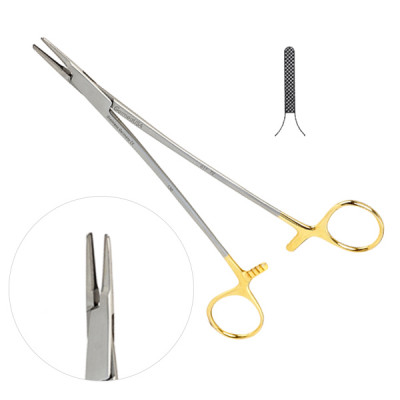
Ryder Needle Holder is made for holding the smaller sutures in plastic, intestinal, vascular, and ne ...
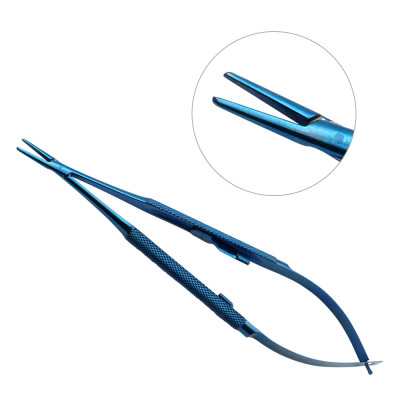
This 7" straight needle holder, manufactured from lightweight and robust titanium, provides an ergon ...
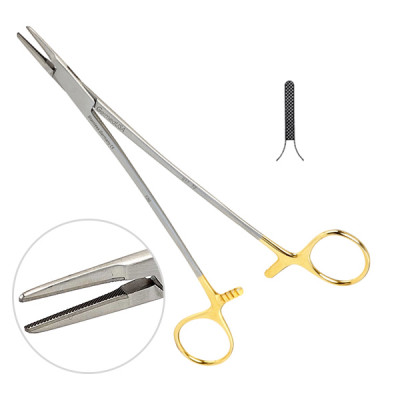
Ryder Needle Holder 7" French Eye - Tungsten Carbide is made for holding small sutures. This surgery ...
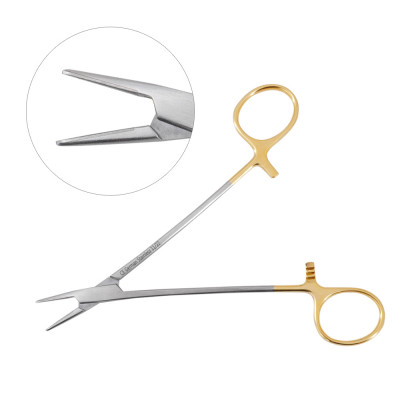
Overall instrument length is 6” and feature serrated jaws and tungsten carbide finger ring handles ...
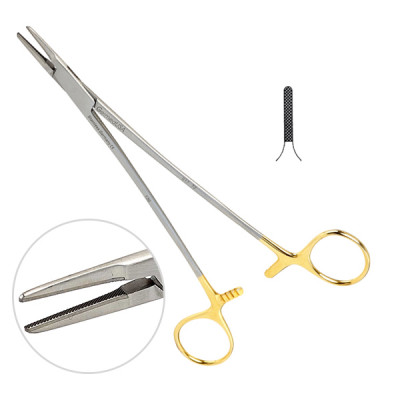
Ryder Needle Holder 5" French Eye - Tungsten Carbide is made for holding small sutures. This surgery ...
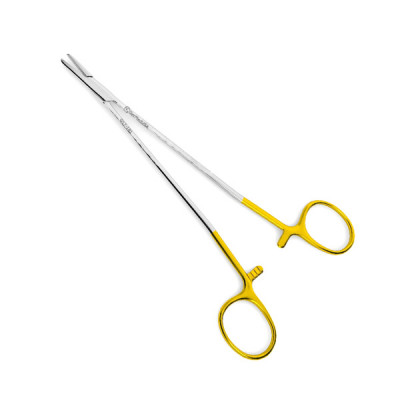
It comes in an overall length of 6 1/4". This versatile needle holder features extra delicate, serra ...
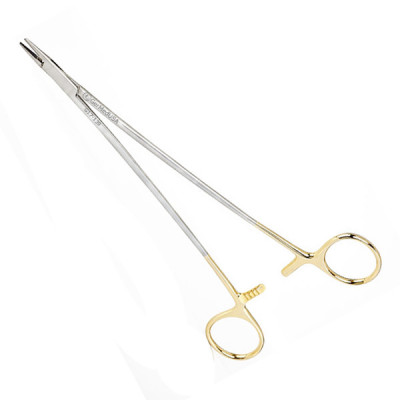
Debakey Needle Holder is made for holding the needles firmly. It comes in several variations and con ...
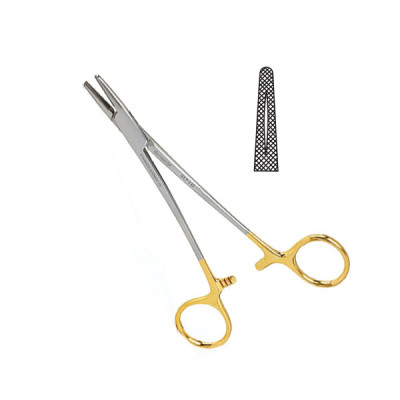
Crile Wood Needle Holders Tungsten Carbide are quite secure and firm for holding the small needles w ...
2417 Jericho Turnpike, #333, Garden City Park, NY 11040 (USA).