Neglecting your cuticles can lead to more than just messy-looking hands. When dead skin builds up or begins to peel away as hangnails, most people resort to pulling it. This creates small tears that serve as entry points for bacteria.
Without a clean trim using proper tools, people often expose themselves to the risk of paronychia. This painful bacterial or fungal infection causes swelling and pus around the nail fold.
That’s why regular trimming of overgrown cuticles is important.
This article provides a clear overview of cuticle nippers, including types of cuticle nippers and practical applications. It also outlines essential maintenance tips to help ensure consistent performance.
What are Cuticle Nippers?
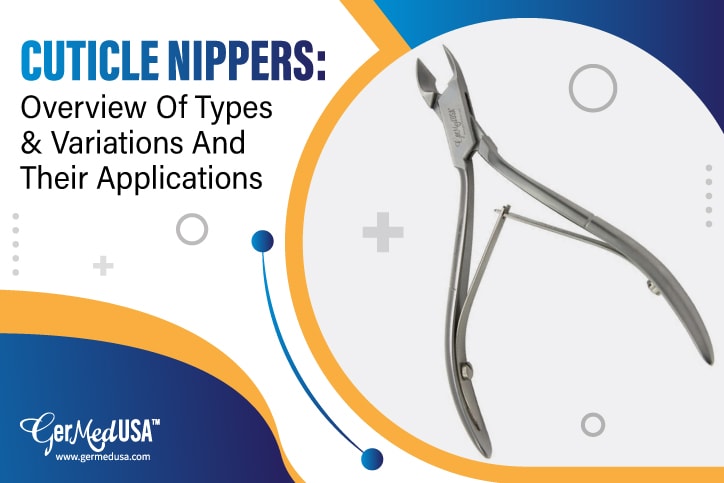
Cuticle nippers are small, precision-cutting tools designed specifically for trimming dead skin, hangnails, and overgrown cuticles around the nail bed. Unlike regular scissors or nail clippers, they feature a spring-loaded handle with a fine, curved jaw blade that allows for controlled, targeted cuts in hard-to-reach areas around the nail.
Cuticle nippers have a compact design that gives them exceptional precision. The curved blade conforms to the natural contour of the nail, enabling clean cuts without pulling or tearing the surrounding skin.
What are Cuticle Nippers Used for?
Knowing when to use the cuticle nipper is just as important as knowing how to use it. Here are the situations where you have to use a cuticle nipper.
To Treat Hangnails
Hangnails are small, partially detached pieces of skin near the nail. They are painful and, when left untreated, can get stuck on fabric or be pulled, causing tearing and bleeding. A cuticle nipper is the safest and most precise tool to cleanly trim a hangnail at its base without damaging the surrounding live skin.
When Cuticle Overgrowth Covers the Nail Plate
If the cuticle has grown too far onto the nail, it can trap moisture and bacteria underneath. Regular cuticle nipper use keeps the nail bed clean and properly exposed, supporting healthy nail growth and preventing microbial buildup.
For Ingrown Toenail Relief
Some wide-jaw nippers are used by professionals to carefully trim skin around ingrown toenails. This should ideally be performed by a trained nail technician or podiatrist, particularly if the area is inflamed or infected.
As Part of a Routine Grooming Schedule
Regular trimming of cuticles after one to two weeks prevents cuticle overgrowth and keeps nails looking neat and well-maintained. Consistency is more effective than occasional heavy-handed trimming.
What are the Types of Cuticle Nippers?
Not all cuticle nippers are the same. Jaw size, spring type, and blade form all determine which nipper is suited for which situation. Here is a breakdown of the different types of cuticle nippers available.
Half Jaw Nipper: Features a smaller cutting surface with the blade covering half the jaw, making it ideal for beginners and minimal cuticle growth while reducing the risk of over-cutting.
Full Jaw Nipper: The blade covers the entire jaw opening for wider, more powerful cuts, best suited for experienced technicians handling thicker cuticles and faster work.
Quarter Jaw Nipper: Offers a very small, precise cutting area, perfect for detailed work, tight angles, and delicate or narrow nail beds.
Spring Jaw Nipper: Equipped with an auto-return spring that reduces hand fatigue, making it a practical choice for frequent use and long sessions.
Double Spring Nipper: Includes two springs for stronger, smoother return action, preferred by professionals for consistent performance and durability.
Toenail & Podiatry Nipper: Designed with larger, reinforced jaws and longer handles to handle thick toenails and tough skin, commonly used in podiatric care and pedicures.
What are the Most Common Cuticle Clippers?
Cuticle nippers vary significantly in design, blade size, and intended use. Here is a closer look at the most common types, what makes each one unique, and the specific applications they are designed to handle.
Tissue Nipper
Tissue nippers are used to trim cuticles and nail edges. These precision podiatry tools are also used to remove dead tissue from or around the nail bed. Tissue clippers have a plier-like design that provides control and promotes comfortable handling.
Key Features:
• German stainless steel body.
• Fine, sharp jaws for clean, precise cuts every time.
• A double-spring mechanism that delivers smooth, consistent action.
• An ergonomic grip that keeps your hand comfortable through every session.
Applications:
• Trimming cuticles and dead tissue around the nail bed
• Removing nail edges
• Used for the removal of soft tissues, e.g., warts, calluses, and damaged skin
• Ideal tool for podiatry clinics, surgical kits, and detailed foot care procedures.
Tissue and Cuticle Nipper
Tissue and cuticle nippers are made to give precise control when trimming delicate tissue and cuticles during detailed procedures. Their finely sharpened blades deliver clean, accurate cuts while minimizing the risk of damaging surrounding tissue. The ergonomic, well-balanced handles provide a steady grip, and the high-quality German stainless steel construction ensures durability and resistance to corrosion.
Key Features:
• Finely aligned blades for precise cutting
• Ergonomic handles for comfort and control
• Made from durable, corrosion-resistant German stainless steel
• Ideal for procedures that require meticulous attention to detail
Applications:
• Trimming soft tissue
• Cuticle and hangnail removal
• Surgeries requiring meticulous precision and control
• Treating small calluses and managing ingrown nails
Tissue and Cuticle Nipper with Ring Handle
The tissue and cuticle nipper with a ring handle offers improved grip and enhanced control during use. It is used to trim or cut cuticles, nail edges, and dead skin from or around the nail bed.
Features:
• Finely aligned blades ensure precise, clean cutting
• Multiple cuticle nipper sizes available for different needs
• Round handle design provides better grip and control
• German stainless steel ensures durability and corrosion resistance
Applications:
• Used to carefully trim delicate soft tissue
• Removing cuticles and hangnails
• Performing meticulous surgical work requires control and accuracy
• Managing small calluses and trimming ingrown nails
What’s the Difference Between Cuticle Nippers and Nail Nippers?
Cuticle nippers and nail nippers look alike but serve entirely different functions. Using the wrong tool can lead to either a crushed nail plate or bleeding skin, as each is manufactured for a specific density of tissue.
Comparison of Cuticle Nippers and Nail Nippers
| Feature | Cuticle Nipper | Nail Nipper |
| Primary Use | Trimming dead skin and hangnails. | Cutting thick or ingrown nails. |
| Blade Size | Small and delicate. | Large and robust. |
| Blade Shape | Fine, pointed tips for precision in corners | Curved or straight heavy-duty edges for leverage. |
| Construction | Light frame for detailed, soft tissue work. | Heavy-duty frame to handle high-pressure clips. |
| Cutting Action | Snips thin, translucent skin. | Shears through hard keratin plates. |
Understanding these mechanical differences ensures you maintain safety and professional results during your grooming routine.
Maintenance Tips for Cuticle Nippers
Cuticle nippers frequently come into contact with skin breaks and biological debris; they can quickly become a breeding ground for harmful bacteria if not properly managed.
This makes regular sterilization a non-negotiable step in your routine to prevent the spread of infections
Here are some maintenance tips for cuticle nippers.
• Sanitize After Use: Wipe the blades with a cotton ball soaked in 70% isopropyl alcohol to remove skin oils and bacteria.
• Dry Thoroughly: Moisture trapped in the nipper joint leads to corrosion; always dry the tool completely before storing it.
• Lubricate the Joint: Apply a single drop of clipper oil or mineral oil to the hinge once a month to keep the movement fluid.
• Use Protective Caps: Always slide the plastic tip cover back on after cleaning to prevent the delicate blades from bending if dropped.
• Avoid Hard Surfaces: Never set the nippers down on the blades; place them handle-first or on a soft towel during your manicure.
• Professional Sharpening: When the blades begin to pull rather than snip, have them professionally honed instead of attempting to sharpen them with a standard file.
Why Choose GerMedUSA?
As an industry leader in surgical instrumentation, GerMedUSA specializes in manufacturing high-quality, medical-grade cuticle nippers crafted from premium German stainless steel. Our commitment to precision ensures that every tool provides the durability and sharpness required for professional environments. We also offer customized solutions to meet your specific design or ergonomic needs, allowing you to work with instruments tailored to your exact standards. Investing in our tools means prioritizing safety, longevity, and superior performance in every application.
Conclusion
Cuticle nippers are a small tool that makes a significant difference in nail health and appearance. Whether you are a nail technician or someone managing a home grooming routine, investing in the right type of nipper and learning to use it correctly pays off in cleaner, healthier, better-looking nails.
The key is understanding that less is more. Use nippers only on dead, separated skin. Keep them clean and sharp. Choose the right jaw size for your experience level. And above all, treat the cuticle with care, because it is one of your nail's most important natural defenses.
FAQs
Which materials are used in the manufacturing of cuticle nippers?
High-quality nippers are typically crafted from stainless steel or surgical-grade steel, which offers both durability and resistance to rust and corrosion. The sharpness of the blade and the tension of the spring mechanism are what separate a professional-grade nipper from a budget tool.
Can cuticle nippers be used on toenails as well?
Yes, but with the right tool. Standard fingernail nippers may not have the jaw strength or blade durability to handle tougher toenail skin. Podiatry or pedicure-grade nippers have heavier jaws and longer handles designed specifically for feet.
When should cuticle nippers be sharpened or replaced?
If you notice the blades pulling at skin rather than cutting cleanly, it is time to sharpen or replace them. Professional nail technicians may need to sharpen their nippers every two to three months due to heavy use. Most manufacturers offer sharpening services for their tools.
How to properly sterilize a cuticle nipper?
After each use, rinse the nipper under warm running water to remove debris, then wipe it dry thoroughly. Soak or wipe the blades with 70% isopropyl alcohol or a barbicide solution for at least 10 minutes. Allow it to air dry completely before storing. Never leave your nipper soaking in water, as it can corrode the spring mechanism. Podiatric physicians and manicurists must use autoclave sterilization between each case.
What are the other names used for cuticle nippers?
Professionals call these instruments tissue nippers and nail splitters.
What is the benefit of a self-open spring for cuticle nippers?
This spring provides extra safety to the instrument by keeping it open when it’s not being used.
Is it safe to use a nail cutter instead of a cuticle nipper?
It is not recommended to use nail cutters to trim cuticles. Nail cutters are blunt and might cause injury. Cuticle clippers are designed for precision and safe trimming of cuticles.