Stainless steel has long dominated use in surgical equipment production because of its excellent corrosion resistance. It is still widely used as a core material in almost every instrument's production.
However, the amazing properties of Tungsten Carbide surgical instruments, such as durability and resistance to wear, compel biomedical engineers to select it ahead of stainless steel as the material of choice in production.
In this blog post, we’ll explore;
- Why is tungsten carbide preferred in surgical instruments
- How does it enhance the performance of surgical instruments
- Possible advantages it brings to healthcare providers and patients
What is Tungsten Carbide?
Tungsten carbide is a composite material made by combining tungsten and carbon.
It has an exceptionally high hardness level, making it almost as hard as a diamond.
Due to its hardness and durability, the material is widely used in industrial applications and, more recently, in manufacturing surgical instruments.
When incorporated into surgical tools, tungsten carbide inserts provide several advantages, such as
- Enhanced precision
- Longer-lasting sharpness
- Greater resistance to wear
This means surgeons can rely on these instruments for better performance during critical procedures.
Properties of Tungsten Carbide
Every surgeon is almost known to use tungsten carbide inserts surgical instruments due to their effectiveness and reliability while performing surgical procedures.
Look at the key properties of tungsten carbide:
Hardness
- Superior cutting ability for cleaner and more precise cuts
- Reduced wear compared to stainless steel, sustaining sharpness longer
- Enhanced grip and control in surgical procedures
Durability
- Longer lifespan due to resistance to wear and tear
- Reduced need for frequent replacements, lowering long-term costs
- Reliable performance even after extended use
Corrosion Resistance
- High rust resistance, maintaining tool integrity
- Ensures instruments remain functional and sterile over time
- Prolongs the life of instruments in moist or humid environments
Biocompatibility
- Safe for contact with human bodily structures, reducing adverse reactions
- Minimizes the risk of infection or complications during procedures
- Ensures long-term patient safety when used in medical applications
Importance of Tungsten Carbide Surgical Instruments
In modern healthcare settings, precision and reliability are paramount.
Every surgical tool must perform perfectly, as even minor issues could compromise the success of an operation.
Tungsten carbide instruments address these concerns in several ways:
-
Longer Tool Life
Tungsten carbide instruments stay sharper for longer periods, which reduces the need for sharpening and replacement.
-
High Performance
They maintain their sharp edges, ensuring clean and accurate cuts throughout the procedure.
-
Improved Safety
TC-inserted instruments are less prone to wear and tear, and they minimize the risks associated with dull or malfunctioning tools.
Common Surgical Instruments Made with Tungsten Carbide
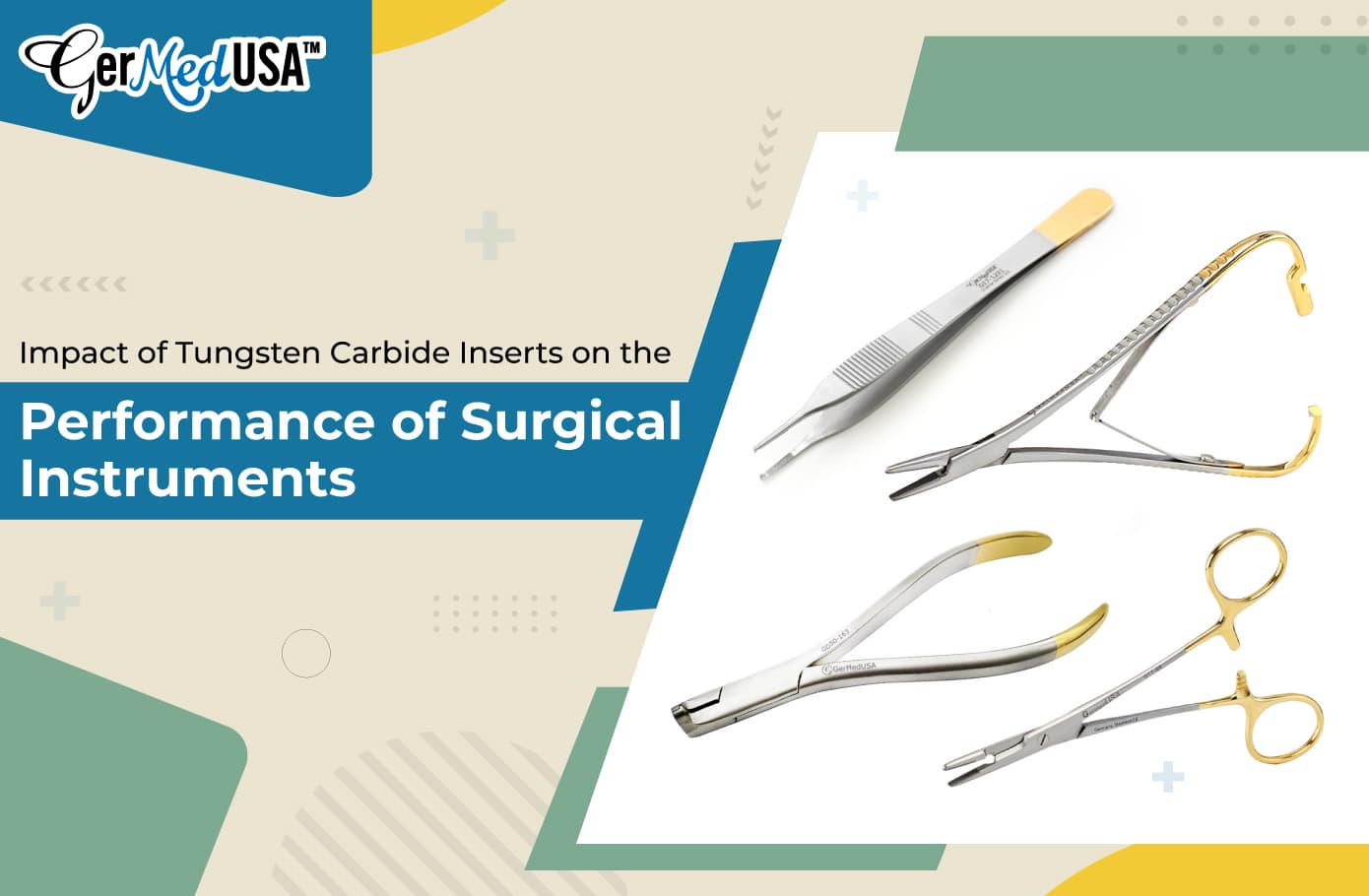
Several types of tungsten carbide surgical instruments are commonly used in operating rooms.
Below are some of the instruments that show properties with tungsten carbide;
1. Needle Holders with TC Inserted Jaws
- Tungsten carbide inserts improve the grip on the needle, providing better control during suturing.
- Enhanced durability reduces the need for frequent replacements.
- The instrument remains reliable, even after repeated use.
2. Scissors with TC-Inserted Blades
- Tungsten carbide scissors have sharper cutting edges that stay sharp longer.
- These scissors cut through tissues with greater ease and precision.
- Reduced need for re-sharpening enhances their cost-effectiveness.
3. Forceps with TC-Inserted Jaws
- Tungsten carbide-inserted forceps offer a secure grip and increased control during delicate procedures.
- Their durability ensures consistent performance in high-pressure situations.
- They resist wear, maintaining their effectiveness over time.
Discover our extensive range of tungsten carbide inserts surgical instruments for efficient experience and surgical performance.
Use of Tungsten Carbide Inserts in Surgical Tools
The use of tungsten carbide inserts in the construction of surgical tools has altered the use of surgical instruments.
By embedding inserts in working sections of an instrument, manufacturers can boost the total efficiency of the tool.
The inserts are often placed in
- High-wear areas, such as the jaws of needle holders
- Blades of scissors
Key benefits of instruments with tungsten carbide;
- Superior Wear Resistance
It protects the working parts of the instrument from wearing out too quickly.
- Enhanced Cutting Power
Scissors and other cutting instruments benefit from the sharpness and durability of the tungsten carbide edges.
- Improved Grip
Instruments such as forceps and needle holders with tungsten carbide inserts offer a more secure grip, reducing the risk of slippage during procedures.
Applications of Tungsten Carbide Surgical Instruments
Since they are durable and show resistance to wear and tear, they are now finding numerous applications in practices, medical facilities and hospitals.
Some of the key areas include:
Cardiovascular Surgery
- Ideal for precise suturing and cutting delicate tissues in heart surgeries
- Needle holders and scissors ensure better control in tight, delicate spaces
- Reduces tissue trauma with sharp, accurate instruments
- Provides longer-lasting sharpness, avoids frequent replacements
Orthopedic Surgery
- Bone-cutting instruments provide enhanced cutting power and precision
- Ideal for cutting through dense bone with minimal wear
- Increases efficiency during lengthy orthopedic procedures
- Reduces the risk of failure in high-stress operations
Plastic and Reconstructive Surgery
- Offers precision for complex tissue reconstruction and cosmetic suturing
- Sharp instruments reduce tissue damage, promoting faster healing
- Ensures better cosmetic outcomes with minimal scarring
Neurosurgery
- Ideal for delicate and high-precision procedures such as brain and spine
- Sharp cutting edges ensure minimal damage to delicate neural tissues
- Offer the control required for micro-surgical tasks
- Durability ensures consistent performance during complex operations
Ophthalmic Surgery
- Used for delicate eye surgeries requiring extreme precision
- Instruments like forceps and scissors provide accurate, controlled movements
- The sharpness of tungsten carbide ensures clean, precise cuts on sensitive eye tissues
- Reduces wear, ensuring the instruments remain sharp
In all these fields, the role of tungsten carbide surgical instruments is crucial for ensuring successful outcomes and minimizing the risks associated with dull or worn-out tools.
Tungsten Carbide vs. Stainless Steel
In the below table, you will see the comparison between stainless steel and tungsten carbide instruments.
These instruments are initially more expensive than stainless steel instruments.
And they are more cost-effective in the long run because they do not have to be replaced repeatedly.
Remember that surgical-grade German stainless steel is the most preferred material for surgical instrument manufacturing.
| Feature | Stainless Steel | Tungsten Carbide |
| Hardness | Softer, requires more frequent sharpening | Harder than steel, retains sharpness longer |
| Durability | Durable, but prone to wear over time | Extremely durable, resists wear and tear |
| Corrosion Resistance | Good corrosion resistance, but may degrade | High resistance to corrosion |
| Precision | Less precise due to faster wear | Offers greater precision in cutting |
| Cost | Lower upfront cost, but requires replacements | Higher initial cost but more cost-effective |
How to Maintain Surgical instruments with Tungsten Carbide
Proper care and maintenance are essential to get the most out of tungsten carbide instruments.
Here are key tips to ensure these instruments last longer:
- Cleaning
After each use, clean the instrument by employing suitable cleaning solutions to:
- Remove blood
- Tissue
- And other contaminants
Failure to do so can reduce the instrument's lifespan.
- Sterilization
Sterilize the instrument according to manufacturer recommendations. Some tungsten carbide tools may require specific sterilization methods to prevent damage.
- Inspection
Regularly inspect the instruments for signs of wear or damage. Though tungsten carbide is durable, checking for potential issues is still important.
- Storage
Store instruments in a clean, dry environment to prevent rust or damage from improper handling.
Explore GerMedUSA’s Quality Tungsten Carbide Surgical Instruments
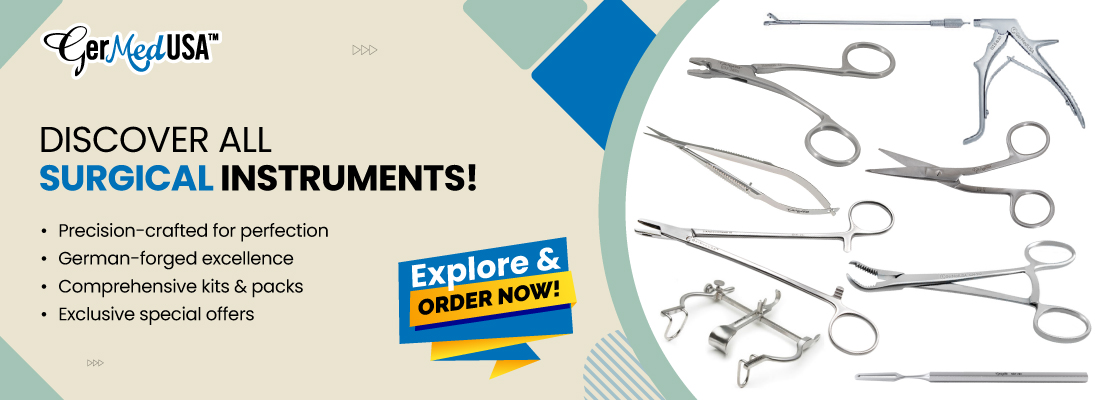
GerMedUSA manufactures quality surgical instruments with tungsten carbide inserts, enabling surgeons to perform complex surgeries efficiently.
Our surgical products meet FDA regulations and rigorous quality standards, ensuring their reliability and safety.
Additionally, GerMedUSA provides customized solutions to fulfill surgery needs, even when standard instruments aren't readily available.
If you are looking for an instrument that is not in our cart, we can manufacture it for you, considering your unique requirements.
Summing Up!
We entertain all the medical specialty instrument's needs with specially crafted from German stainless steel and tungsten carbide inserts for durability and resistance to wear and tear. You can save thousands of dollars by experiencing our quality instruments.
Explore our catalog today to find the best tungsten carbide surgical instruments for your practice.
FAQs
How long do tungsten carbide surgical instruments last?
Tungsten carbide instruments typically last much longer than standard stainless-steel tools.
The exact lifespan depends on;
- How frequently they are used
- And how well they are maintained
Are tungsten carbide instruments cost-effective?
Yes, while the initial investment in tungsten carbide tools may be higher, their durability and reduced need for frequent replacement make them more cost-effective over time.