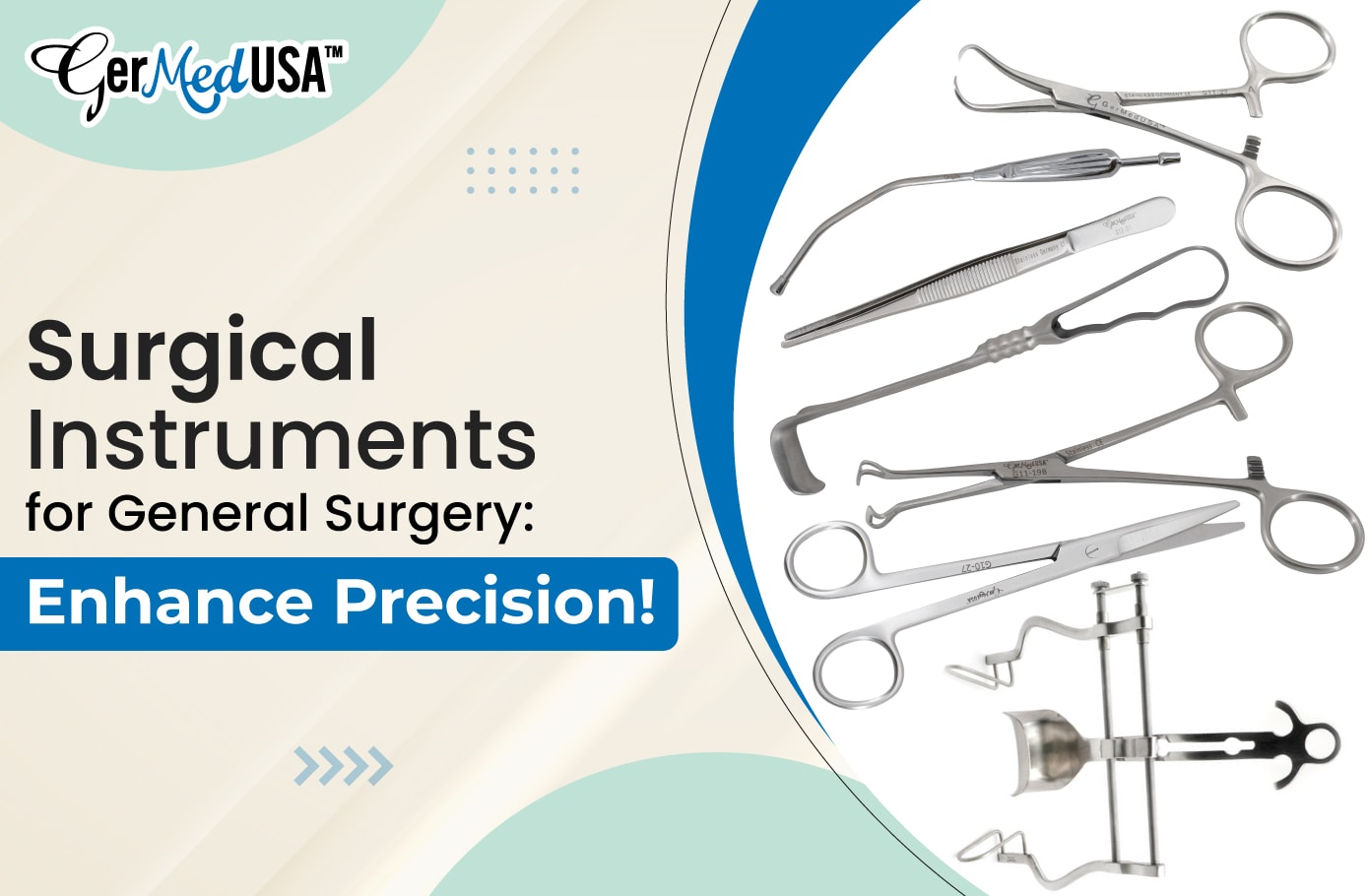
General surgery involves a wide range of procedures, and the instruments required can vary depending on the surgical technique, treatment area, and specific procedure. Common general surgery instruments help surgeons perform tasks such as cutting, dissecting, grasping, clamping, retracting tissue, controlling bleeding, suctioning fluids, and closing surgical sites.
Some instruments are used across many procedures, while others are designed for specific surgical applications. General surgery instruments are available individually or as procedure-specific sets that group commonly required tools together.
In this guide, we cover the common types of general surgery instruments, their uses, examples of instruments used in different procedures, and general surgery instrument sets available from GerMedUSA.
What Are General Surgery Instruments?
General surgery instruments are medical tools designed to perform specific tasks during surgical procedures. Depending on their function, they can help surgeons make incisions, dissect tissue, grasp and manipulate structures, control bleeding, provide exposure, remove fluids, and close surgical sites.
The instruments required for a procedure can vary according to the surgical approach and the surgeon's technique. For this reason, a general surgery instrument set may contain several different types of instruments to support multiple stages of a procedure.
Common Types of General Surgery Instruments
General surgery instruments can be grouped according to their primary function:
| Instrument Type | Common Examples | Primary Use |
|---|---|---|
| Cutting and dissecting instruments | Scalpels, Mayo scissors, Metzenbaum scissors | Making incisions and cutting or dissecting tissue |
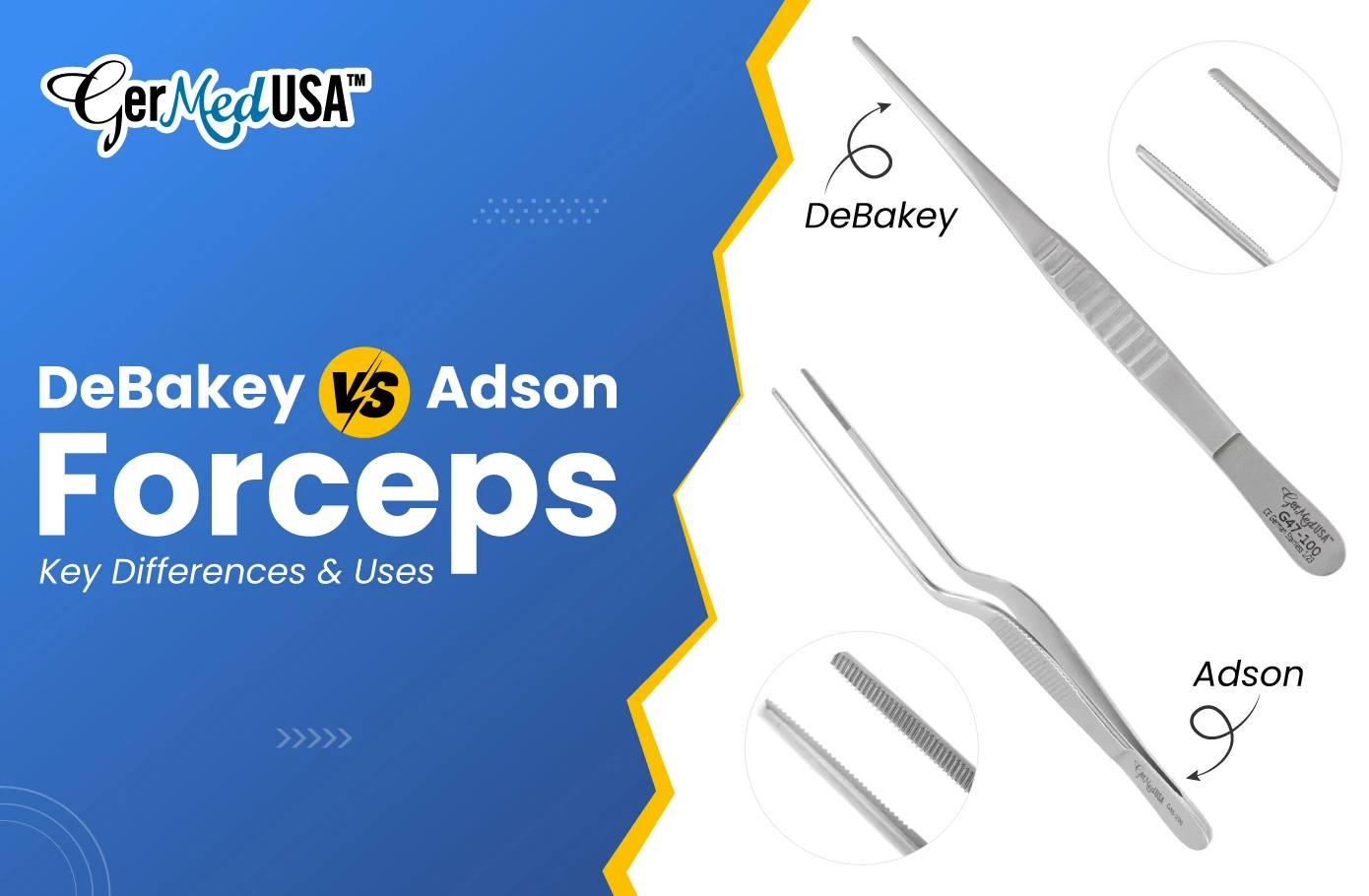
| Grasping and holding instruments | Allis tissue forceps, Babcock forceps, Adson forceps | Holding and manipulating tissue |
| Hemostatic instruments | Halstead Mosquito, Kelly, Crile, Rochester Pean forceps | Clamping vessels or tissue and controlling bleeding |
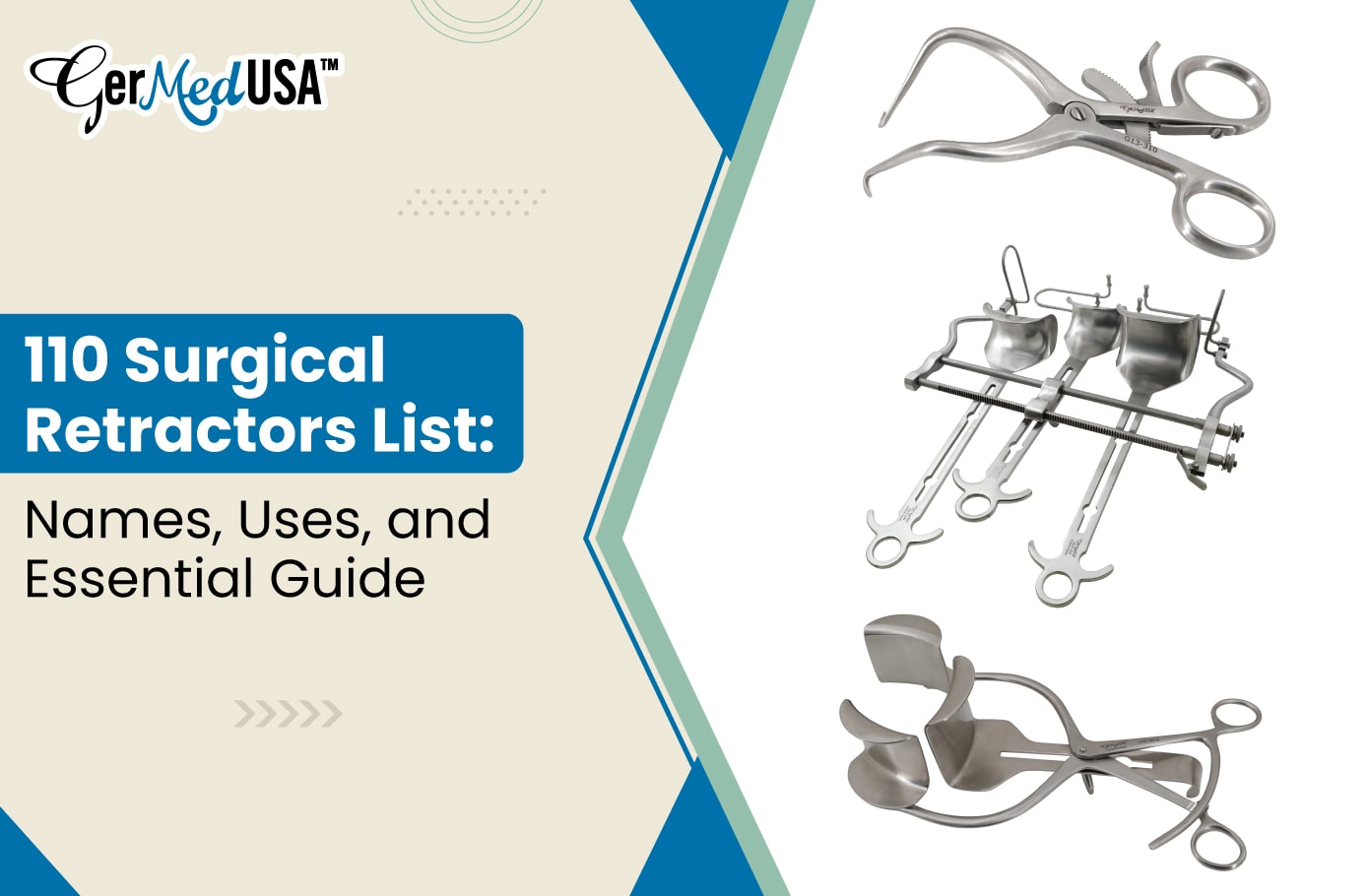
| Retractors | Deaver, Richardson, Balfour, Ribbon retractors | Retracting tissue and improving access to the surgical field |
| Suturing instruments | Mayo Hegar needle holders | Holding needles during wound closure |
| Suction instruments | Yankauer and Poole suction tubes | Removing blood and other fluids from the surgical field |
| Tissue handling instruments | Babcock and Foerster forceps | Handling delicate tissue, sponges, or other materials |
The appropriate instrument depends on the procedure and the task being performed. Instrument design, size, working end, and configuration can also vary according to the intended application.
What Instruments Are Used in General Surgery?
There is no single set of instruments used for every general surgery procedure. Surgeons may use different combinations of cutting, grasping, clamping, retracting, suction, and suturing instruments depending on the operation.
Some examples include:
| General Surgery Procedure | Examples of Commonly Used Instruments |
|---|---|
| Appendectomy | Scalpels, forceps, hemostatic clamps, retractors, scissors, needle holders, and suction instruments |
| Cholecystectomy | Scalpels, forceps, clamps, retractors, dissecting scissors, suction instruments, and other procedure-specific tools |
| Colon resection | Scalpels, tissue forceps, clamps, retractors, dissecting scissors, suction instruments, and needle holders |
| Mastectomy | Scalpels, forceps, clamps, retractors, scissors, and electrosurgical instruments |
| Hernia repair | Scalpels, forceps, clamps, retractors, scissors, needle holders, and suction instruments |
The instruments used for each procedure can vary according to the surgical technique, the surgical site, surgeon preference, and the requirements of the healthcare facility.
How to Choose General Surgery Instruments
Selecting general surgery instruments requires considering the procedure, the intended function of each instrument, and the requirements of the surgical team.
Procedure
Different procedures require different combinations of instruments. A set intended for abdominal surgery may contain a different selection of retractors, forceps, clamps, and scissors than a set intended for another procedure.
Instrument Function
The instrument should be appropriate for the task it is intended to perform. For example, hemostatic forceps are used for clamping vessels or tissue, while retractors are used to provide exposure to the surgical field.
Size and Design
Instrument dimensions and working-end configurations can vary. The appropriate size and design depend on the surgical application, the anatomy involved, and the surgeon's requirements.
Material and Construction
Reusable surgical instruments should be manufactured from materials suitable for their intended use, cleaning, and sterilization processes. GerMedUSA states that its instruments are manufactured from German stainless steel and designed for repeated clinical use.
Individual Instruments or Sets
Healthcare facilities can purchase individual instruments when they need to replace or expand specific items. Procedure-specific sets can be useful when a standardized group of instruments is required for recurring procedures.
General Surgery Instrument Sets and Packs
A general surgery instrument set is a collection of instruments assembled for a particular procedure or group of related procedures. Depending on the configuration, a set may contain instruments for cutting, dissection, grasping, hemostasis, retraction, suction, and suturing.
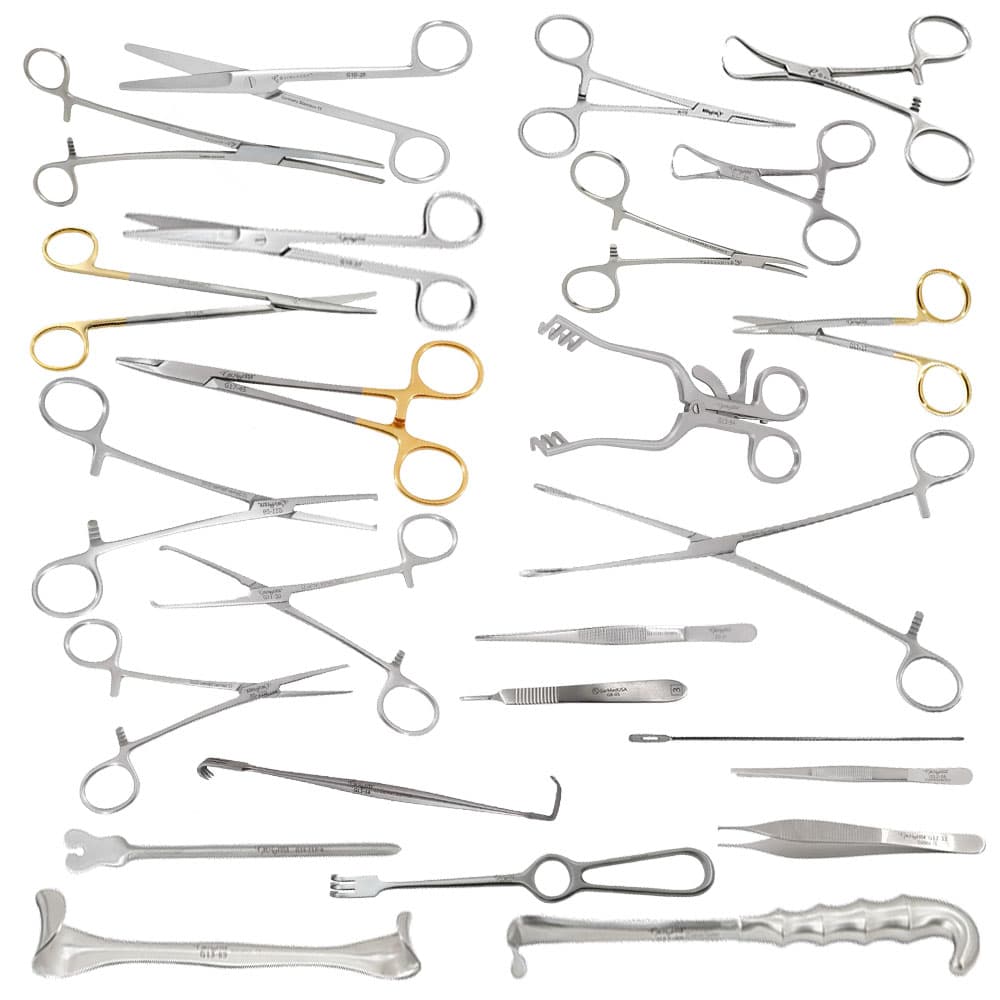
GerMedUSA's current General Surgery Sets category includes procedure-specific options such as Basic Laparotomy Sets, Appendectomy and Hernia Sets, Abdominoperineal Resection Sets, Thyroidectomy Sets, and other configurations.
Using a procedure-specific set can simplify instrument preparation by keeping commonly required instruments together. However, the appropriate contents of a set depend on the procedure and the requirements of the surgical facility.
GerMedUSA General Surgery Instrument Sets
GerMedUSA offers a range of general surgery instrument sets for different procedures. Some examples include:
Basic Laparotomy Set
The Basic Laparotomy Set is configured for abdominal surgical procedures and includes instruments for tasks such as tissue retraction, grasping, dissection, hemostasis, suction, and suturing.
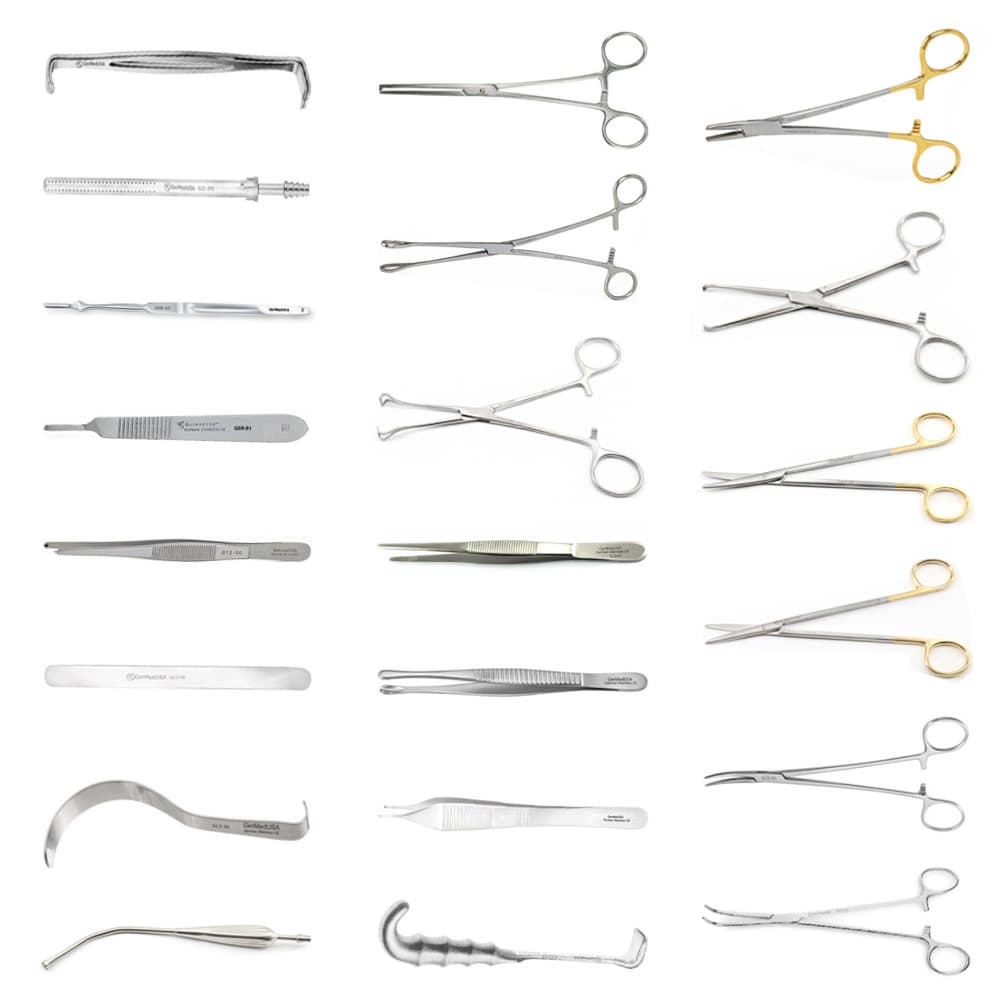
The current set includes instruments such as Babcock intestinal forceps, Kelly and Halstead hemostatic forceps, Mayo and Metzenbaum scissors, Mayo Hegar needle holders, Deaver and Richardson retractors, Balfour abdominal retractors, and Yankauer and Poole suction tubes.
The set is available as a complete configuration, and GerMedUSA also provides a customization option for customers requiring a different instrument configuration.
Appendectomy and Hernia Set
The Appendectomy and Hernia Set contains instruments selected for open appendectomy and hernia-related procedures. Its current configuration includes retractors, hemostatic forceps, tissue forceps, dissecting scissors, needle holders, suction tubes, and other general surgical instruments.
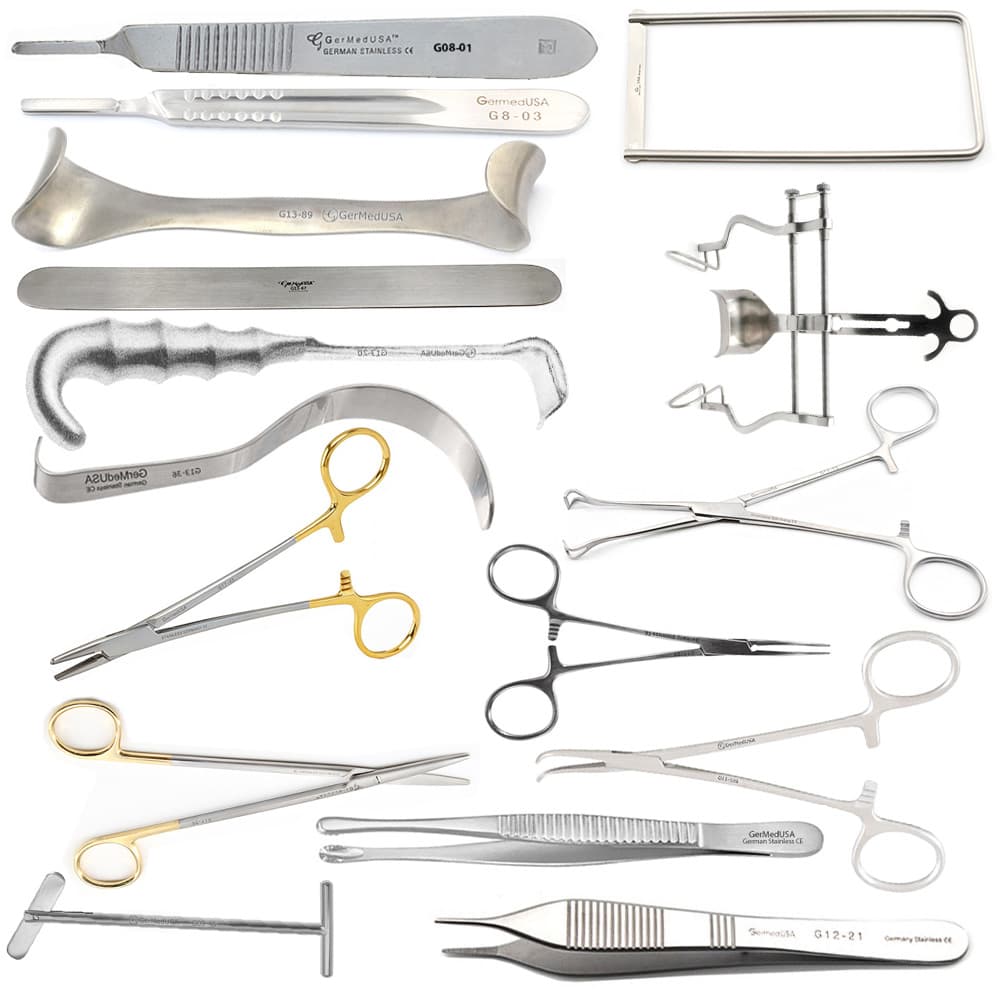
The specific instruments required during an appendectomy or hernia repair can vary according to the surgical technique and clinical requirements.
Other General Surgery Sets
GerMedUSA's General Surgery Sets category includes additional procedure-specific configurations. Depending on current availability, these include options such as:
- Minor Basic Instrument Set
- Abdominoperineal Resection Set
- Thyroidectomy Set
- Pediatric Laparotomy Set
- Common Duct Set
- Other general surgery configurations
Because set contents and availability can change, refer to the individual product page for the current configuration and specifications.
Benefits of General Surgery Instrument Sets
Procedure-specific instrument sets can provide several practical benefits for healthcare facilities.
Organized Instrument Selection
A set groups commonly required instruments together, making it easier for surgical teams to prepare for procedures.
Efficient Preparation
Having commonly required instruments in one set can reduce the need to gather each instrument individually before a procedure.
Procedure-Specific Configuration
Different procedures require different instruments. A procedure-specific set can be configured around the tasks and instruments associated with that procedure.
Flexible Options
Healthcare facilities may require different instrument sizes, configurations, or quantities. Customization can provide an option when a standard set does not meet those requirements.
Can General Surgery Instrument Sets Be Customized?
Yes. GerMedUSA offers customization options for general surgery sets. Customers can discuss their required instruments, sizes, configurations, and intended applications with the company.
If a standard set does not meet a facility's requirements, a customized configuration may be considered based on the requested specifications.
General Surgery Instruments from GerMedUSA
GerMedUSA manufactures and supplies surgical instruments and procedure-specific sets for healthcare facilities and surgical professionals. Its catalog includes individual instruments as well as sets for general surgery and other surgical specialties.
The company offers instruments in categories including cutting and dissecting instruments, clamping and grasping instruments, hemostatic forceps, retractors, surgical scissors, and other surgical tools.
GerMedUSA also offers general surgery sets and customization options for customers who require specific instrument configurations.
Conclusion
General surgery involves a wide range of procedures, so the instruments required can vary according to the surgical technique and clinical requirements. Common general surgery instruments include scalpels, scissors, forceps, hemostatic clamps, retractors, needle holders, and suction instruments.
Procedure-specific instrument sets can group commonly required tools together, helping surgical teams organize instruments and prepare for recurring procedures. The appropriate set or individual instruments should be selected according to the procedure, required functions, instrument specifications, and facility requirements.
GerMedUSA offers individual general surgery instruments, procedure-specific sets, and customization options for different surgical requirements.
Frequently Asked Questions
What are general surgery instruments?
General surgery instruments are medical tools used to perform specific tasks during surgical procedures. Common examples include scalpels, scissors, forceps, hemostatic clamps, retractors, needle holders, and suction instruments.
What are the most commonly used instruments in general surgery?
Commonly used general surgery instruments include scalpels for making incisions, scissors for cutting and dissecting tissue, forceps for grasping tissue, hemostatic forceps for clamping vessels, retractors for providing exposure, needle holders for suturing, and suction instruments for removing fluids from the surgical field.
What is a general surgery instrument set?
A general surgery instrument set is a collection of surgical instruments assembled for a specific procedure or group of related procedures. A set may contain instruments for cutting, grasping, clamping, retracting, suctioning, and suturing.
What instruments are used for abdominal surgery?
Abdominal surgery may require instruments such as scalpels, dissecting scissors, tissue forceps, hemostatic forceps, abdominal retractors, suction tubes, and needle holders. The exact instruments depend on the procedure and surgical technique.
Can general surgery instrument sets be customized?
Yes. General surgery instrument sets can be customized according to the required instruments, sizes, configurations, and intended procedures. GerMedUSA provides customization options for its general surgery sets.
How are reusable general surgery instruments sterilized?
Reusable surgical instruments should first be cleaned according to the manufacturer's instructions and the healthcare facility's validated cleaning procedures. Compatible instruments may then undergo an appropriate sterilization process, such as steam sterilization in an autoclave. The manufacturer's instructions for use should always be followed for the specific instrument.