Behind each successful surgery is a collection of instruments that the surgeons depend upon to save lives. A smooth-gliding scalpel, a securely holding clamp, and a nonmigrating retractor are what matter most when time is short. Yet surgical instruments do not stay reliable on their own and need proper maintenance.
Surgical instruments require proper cleaning, gentle handling, and a reliable supplier who knows what medical professionals need.
This guide covers everything you need to know about surgical instrument care, from cleaning and sterilization to rust prevention, maintenance routines, and practical tips for extending the lifespan of your instruments.
What are the 3 Categories of Surgical Instruments?
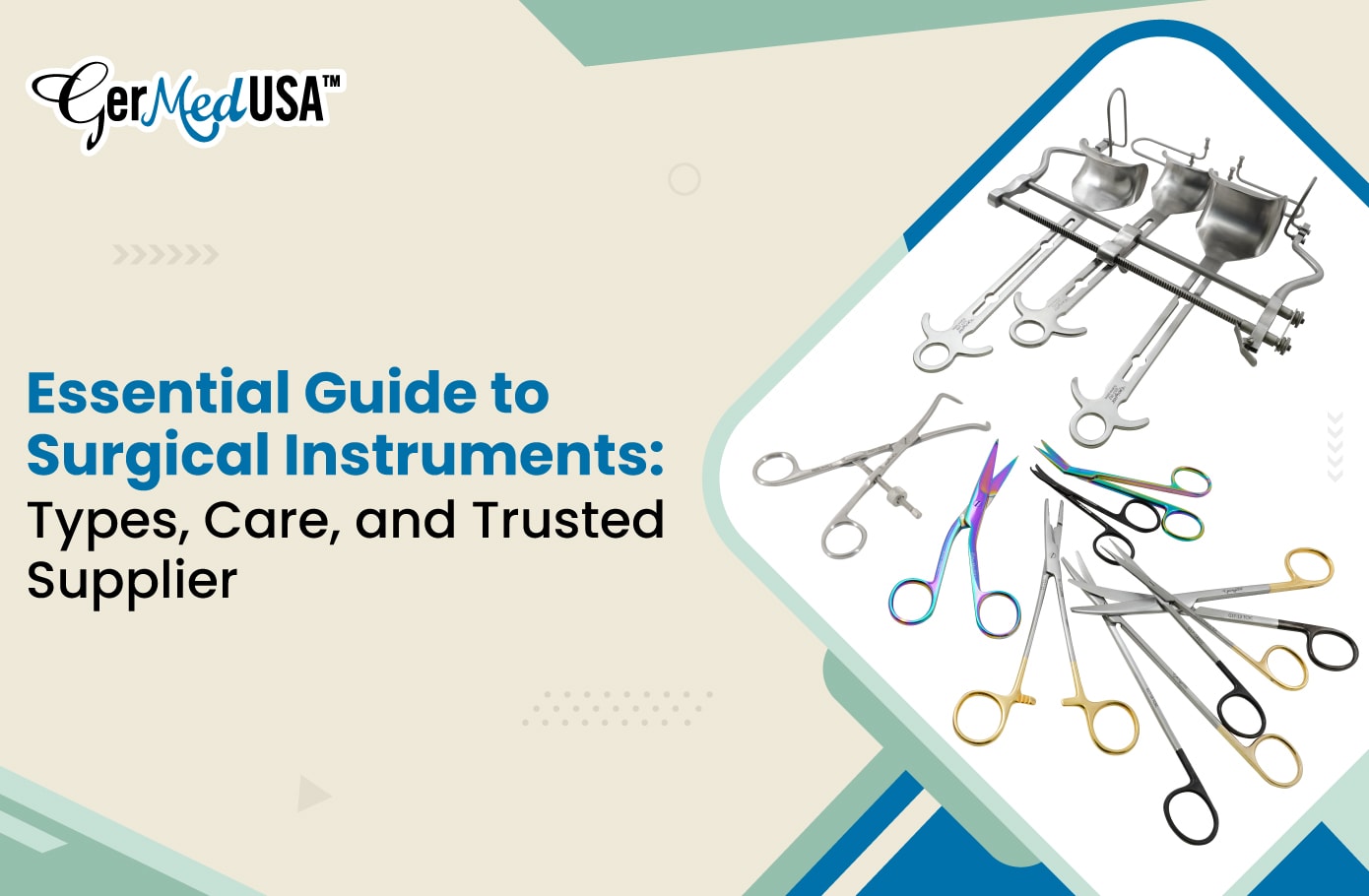
The three principal types are cutting, grasping, and retracting instruments. This is how each category works when performing surgery:
- Cutting and dissecting instruments such as scalpels, scissors, and chisels assist the surgeon in making precise incisions and dissecting tissues.
- Grasping and holding instruments such as clamps, forceps, and needle holders are part of the surgeon's hand, grasping tissue or pressing on bleeding.
- Retracting instruments gradually slide skin, muscle, or organs aside from the operating area so the surgeon can get a good view of the surgical surface or area.
These instruments provide what all surgeons require most: sharpness, control, and visibility.
How are Surgical Instruments Cleaned?
Cleaning should begin immediately after use. Following the right cleaning routine helps keep instruments in good working condition and prepares them for safe sterilization.
Surgical instruments are cleaned in different phases, including as
- Pre-rinse: Blood, tissue, and other debris are removed before drying onto the instrument.
- Manual scrubbing: Scrubs hinges, serrations, and other areas that are difficult to rinse.
- Ultrasonic cleaning: Use of high-frequency ultrasonic waves to remove small particles from inside the instrument without harming it.
- Complete drying: Removing moisture completely before sterilization, lessening the chance of corrosion and staining.
For the full step-by-step process, see our detailed guide on cleaning surgical instruments.
How Are Surgical Instruments Sterilized?
The surgical instruments are cleaned and dried and then sterilized. Sterilization kills germs, viruses, fungi, and spores before reuse. The most common method of steam sterilization for heat-resistant instruments like metal and glass is in an autoclave. It’s a quick and reliable process.
Heat-sensitive instruments are sterilized using other methods such as ethylene oxide gas, hydrogen peroxide gas plasma, ozone, liquid chemical sterilization, and dry heat sterilization.
Important Note: Even a validated sterilization cycle can fail if the procedure is not followed correctly.
Read our guide on common sterilization mistakes to avoid errors such as overloading the autoclave and incomplete drying.
How Long Do Surgical Instruments Last With Proper Care?
Properly maintained surgical instruments can last decades, even years. Their longevity is founded on two conditions: the quality of the steel from which they're made and how well they're cared for.
High-quality German stainless steel is renowned for its strength and corrosion resistance. These features make German stainless steel strong enough to take repeated washing and disinfection without losing its effectiveness.
With routine maintenance and precise handling along with suitable storage, surgical instruments can remain reliable after innumerable procedures.
Each sterilization cycle adds a little wear and tear as time goes by. Heavy-duty equipment like retractors and orthopedic instruments are designed to withstand years of repetitive usage. However, fine scissors and microneedles are prone to wear since even minor damage may affect their precision.
When Should You Replace the Surgical Instrument?
Worn surgical tools frequently show warning indicators. If you notice any of the following, consider replacing the instrument with a new one.
- Tips that are not aligned
- Pitting or corrosion
- Loose box locks
- Ratchets that no longer grasp securely
- Cutting edges that remain dull even after sharpening
Paying attention to these small changes keeps your instrument set reliable and helps you avoid surprises during surgery.
Why Do Surgical Instruments Rust?
Surgical tools frequently get exposed to moisture, bacteria, and repeated cleaning procedures. These may damage the protective chromium oxide coating. The damaged coating exposes the underlying steel and facilitates corrosion.
Even stainless steel instruments can also develop rust if not maintained properly.
Common causes of surgical instrument corrosion include:
- Prolonged contact with blood, saline, or chloride-based solutions
- Leaving instruments wet after cleaning
- Using harsh chemicals
- Sterilizing different types of metals together.
These conditions can cause the protective chromium oxide layer to break down and the steel to be more vulnerable to corrosion.
Not all marks on a surgical instrument are rusting. Knowing the difference between staining and rust can spare you from unneeded repairs or replacements.
Rust or Staining? How to Recognize
It is crucial to distinguish between rust and stains. Rust is a coarse, red-brown rusting. Stains that are brown, blue, or rainbow in hue are usually mineral deposits, heat stains, or chemical deposits after cleaning or sterilization. If you are unsure, the instrument should be reviewed before it is used again.
Pitting Corrosion
Pitting is one of the most dangerous kinds of corrosion. Pitting develops microscopic holes in the surface of the steel, usually after exposure to chlorides or moisture left on the instrument. Once pitting has developed, there is no way to repair or polish off the damage. Any equipment with pitting should be removed from service immediately.
How to Prevent Rust on Surgical Instruments
Regular maintenance is the best way to prevent rust. Always rinse instruments immediately after use and clean well.
Dry the cleaned instruments completely before sterilization and storage. Make sure to apply instrument lubricant to hinges and box locks when recommended. And store them in a clean and dry environment with controlled humidity.
During sterilization, avoid mixing dissimilar metals in the same tray because contact between different metals can contribute to corrosion.
What Is Passivation?
Another way to protect stainless steel is passivation. This process removes free iron and contaminants from the surface, allowing the chromium oxide layer to reform. A healthy passive layer improves the instrument's resistance to rust and helps extend its service life, especially after repeated use and sterilization.
Don't return a surgical instrument to service if it shows rust. Rust forms a rough surface that can cause tissue injury, increase cleaning difficulties, and harbor bacteria. If rust has affected the performance of the instrument, the safest course of action is to remove it from service and determine if it can be repaired or replaced.
How Should Surgical Instruments Be Handled and Stored?
Proper handling and storage are a crucial factor in increasing the lifespan of surgical equipment. Even the best of instruments can be damaged if not handled correctly or maintained in improper conditions.
Here is how you should handle and store surgical instruments.
Handle with Care
Do not drop the equipment or throw it in the trays after usage. A slight bump might bend tips, misalign jaws, or destroy cutting edges.
Do not place heavy tools on delicate ones such as fine scissors, microforceps, and needle holders. The sharp tips of these tools should have protections or specific holders for transport and cleaning, or they can get damaged inadvertently.
Lubricate the Moving Parts
Sterilize instruments before use and then lubricate hinges, box locks, and other moving parts with a water-based surgical instrument lubricant (also termed “instrument milk”) before sterilization.
Lubrication decreases friction, aids smooth movement, and helps preserve instruments from corrosion from repeated cleaning and sterilization cycles.
Sterilization Tray Organization Should Be Correct
The position of the instruments in the tray is important. Always arrange heavier instruments on the bottom and lighter or more sensitive instruments above them to alleviate pressure and prevent damage. Use tip guards or silicone holders or dedicated tray inserts to prevent fine tips and cutting edges from touching other instruments during sterilization and transport.
Correct Instrument Storage
Instruments after sterilization should be kept in a clean and dry place with consistent temperature and humidity. Do not let them come into contact with chlorine, cleaning chemicals, and other chloride-containing agents that may harm the protective chromium oxide coating.
If an instrument has a ratchet, do not lock it closed; leave it open. This reduces spring stress, maintains the correct alignment, and increases the life of the ratchet mechanism.
Conclusion
Instruments are built to perform with precision, but their longevity depends on how they are treated every day. Keeping them in good working condition between procedures requires prompt cleaning, proper sterilization, rust prevention, proper handling, and proper storage.
Good instrument care begins with selecting instruments that are durable. German stainless steel is much more resistant to repeated cleaning and autoclaving than lower-quality steels and thus provides you with long-lasting instruments for years of reliable performance.
Explore the full range of surgical instruments built for durability and precision at GerMedUSA.
FAQs
When is the Best Time to Clean Surgical Instruments?
Clean instruments immediately after surgery. Improper or delayed cleaning allows debris to dry, making it more difficult to clean and increasing the risk of rust and infection.
How Do You Prevent Rust on Surgical Instruments?
Rust is prevented by cleaning instruments immediately after use, drying them completely, and storing them in a dry, controlled environment. Lubricating hinges and box locks and never sterilizing dissimilar metals together also protect the steel's chromium oxide layer. The care and rust-prevention sections above cover each step in detail.
Can You Use Rusty Surgical Instruments?
No. Rusty instruments should never be used. Rust creates a rough surface that can injure tissue, traps bacteria that sterilization may not fully remove, and signals the steel is degrading. Any instrument showing true rust should be taken out of service and assessed for repair or replacement.